Compare Knowledge Panel Services: The Smart Price Guide
Compare the prices of Google Knowledge Panel management services in the United States. Status Index explains fees, risks, and options. Request a quote.
John Smith
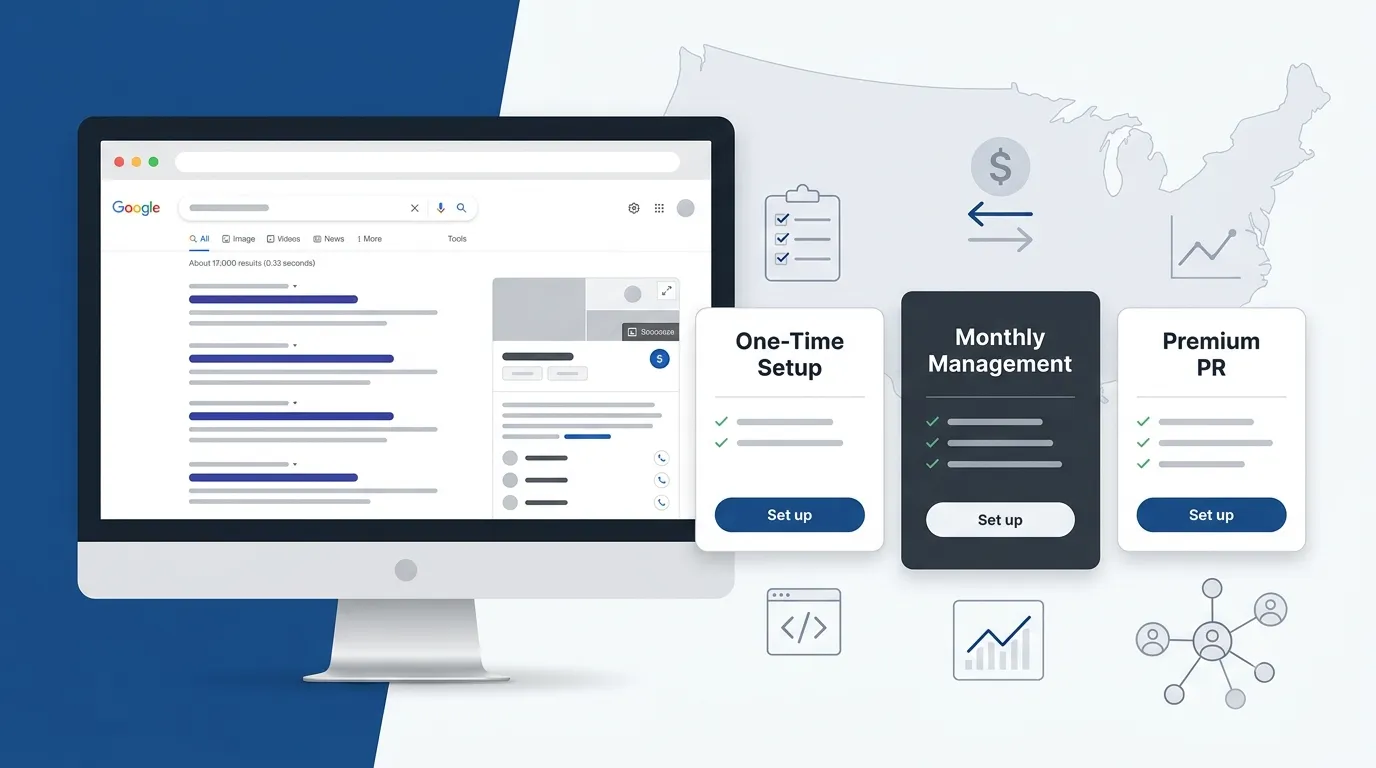
Google does not charge for a Knowledge Panel, but professional help can cost from a few hundred dollars to more than $50,000. To compare the prices of Google Knowledge Panel management services, look past the headline fee and compare scope, contract length, PR costs, technical work, and risk. Most serious projects fall into one-time setup, monthly management, or premium PR-led campaigns, and no honest provider can promise that Google will create or keep a panel.
Compare the Prices of Google Knowledge Panel Management Services
This guide is for founders, public figures, marketing teams, and brand managers who need a clear cost comparison before hiring help. It explains what agencies charge, what each package should contain, and where cheap offers can create trouble.
The first fact matters most: the panel itself is free. Google builds it from information found across trusted sources. You pay a provider for the work around that system, not for a slot in search results.
A basic quote may cover an entity audit and schema setup. A larger quote may include press outreach, profile cleanup, Wikidata work, correction requests, and months of monitoring. Two offers can use the same label while covering very different jobs, so price alone tells you little.
Why a Free Google Knowledge Panel Can Still Cost Thousands to Manage
Google does not sell Knowledge Panels. It collects facts, connects them to an entity, and decides what to show. The supporting work often crosses SEO, public relations, web development, and reputation management.
Consider a founder whose website uses a shortened name, LinkedIn shows a middle initial, and old interviews list another job title. Google may struggle to join those records. Fixing it means checking sources, choosing one identity, updating profiles, adding structured data, and earning stronger references.
The fee pays for research, technical changes, content, outreach, and follow-up. It may also cover later corrections. A cheap setup can become expensive when the provider leaves weak sources, duplicate entities, or conflicting facts behind.
What a Google Knowledge Panel Management Service Should Include
A useful proposal should name the work in plain language. “Knowledge Panel Strategy” means little unless the provider lists its tasks, owners, and delivery dates.
Entity audit: Review the official site, search results, profiles, names, dates, and key relationships.
Entity Home setup: Create or improve the main page that clearly explains who the person or company is.
Schema markup: Add machine-readable code for the entity, sameAs links, and key relationships.
Profile standardization: Match names, descriptions, images, URLs, and facts across trusted platforms.
Authority building: Secure useful mentions or coverage without fake sites, paid spam, or invented claims.
Claiming and correction help: Guide verification, suggest edits, and document inaccurate facts.
Monitoring: Track panel changes, source shifts, and new conflicts.
Reporting: Show completed work, live URLs, unresolved risks, and next actions.
Ask who owns each asset after the project. You should keep control of every asset created for your brand.
One-Time Project Fees vs Monthly Knowledge Panel Management Retainers
A one-time project works best when the entity already has a solid public footprint. The provider audits the data, fixes technical gaps, aligns profiles, supports claiming, and watches the result for a set period. Mid-tier projects often sit between $3,000 and $15,000, while complex PR-led work can rise far higher.
A monthly retainer covers ongoing changes. Fees commonly range from $500 to $5,000 per month in the supplied market data. The lower end may cover tracking and light updates. The higher end may include PR outreach, content planning, schema changes, competitor checks, and regular reports.
A hybrid plan combines an upfront project with a smaller retainer. This can make sense for a growing company, a public figure with frequent press, or a brand that changes leaders, products, and locations. Read the term carefully. A low monthly fee tied to a twelve-month contract may cost more than a complete one-time package.
Knowledge Panel Service Tiers: DIY, Basic, Full-Stack, Premium, and Enterprise
Service tiers make price comparisons easier, but providers define them differently. Use the scope below as a practical baseline.
DIY: Direct cost can be $0. You handle research, schema, profile cleanup, outreach, and monitoring.
Basic setup and claim: Covers an audit, simple schema, profile alignment, and claiming help.
Full-stack project: Adds content, citations, technical work, corrections, and several months of support.
Premium campaign: Combines entity SEO with sustained PR, media placements, and possible Wikipedia or Wikidata coordination. Costs may run from $5,000 to $50,000 or more.
Enterprise management: Covers several executives, brands, markets, languages, or legal risks.
The right tier depends on the gap between your current evidence and the identity Google can confirm.
Typical Knowledge Panel Pricing by Service Level
DIY work has no agency fee, but it still consumes time. A careful audit can involve searches, profile checks, page edits, developer tickets, and follow-up reviews. A founder who spends twenty hours on this work should count that time as a real cost.
Low-cost offers may start near $499 and run to about $3,000. Some are limited-scope services. Others rely on weak directories, rushed press posts, or temporary tactics. The provider should explain clearly what the fee buys.
A mid-tier knowledge panel creation service cost often falls between $3,000 and $15,000. Premium campaigns may reach $5,000 to $50,000 or more when they include major PR work. Ongoing knowledge panel management fees often range from $500 to $5,000 monthly.
These are guides, not fixed rates. Entity strength, source quality, and media work can change the quote.
Personal vs Company Knowledge Panel Costs
A personal panel may focus on one name, one career history, a headshot, social profiles, and a small set of trusted sources. Even then, common names create extra work. A consultant named “John Smith,” for example, needs stronger identity signals than a person with a rare name.
A company panel can involve a legal name, trading name, founders, executives, products, parent companies, offices, logos, and past mergers. One wrong relationship can confuse the whole entity record. Companies also change faster. A new chief executive, rebrand, acquisition, or office move may require fresh updates across several sources.
That is why company packages often cost more. The provider must map more facts, check more relationships, and monitor more ways the data can drift.
How United States Businesses Should Compare Knowledge Panel Agencies
Start with method, not promises. Ask the agency to explain how it handles entity audits, schema, source quality, profile changes, PR, claiming, and reporting. A credible answer should name the work without hiding behind phrases such as “proprietary trigger system.”
Request a sample report with private details removed. It should show tasks, URLs, status notes, source conflicts, and next steps. Also ask who performs development work and whether PR placement fees sit inside or outside the quote.
Review the contract for cancellation rules, refund terms, asset ownership, and the definition of success. A live panel for one day is not the same as a stable, accurate result. The agency should also say what happens when Google changes a fact or removes the panel.
What Changes the Final Price: Authority, Schema, PR, Wikipedia, and Timeline
Authority has the largest effect. An established organization with years of independent coverage may need cleanup and technical alignment. A new consultant with only a website and social accounts may need months of credible visibility work before Google has enough evidence.
Schema markup can be simple or complex. One Person or Organization block may take a developer a few hours. A group with founders, subsidiaries, products, locations, and alternate names needs a fuller knowledge graph on its own site.
PR can become the biggest cost. Strong coverage requires a real story, suitable outlets, outreach, and editorial approval. Payment never guarantees publication or panel creation. Wikipedia work also needs care. An article must meet notability and sourcing rules, and undisclosed promotional editing can cause removal or public criticism.
Delivery estimates often range from 30 to 120 days, but Google sets the actual timing. Faster fees do not buy control over Google.
Hidden Costs, Risky Guarantees, and Cheap Knowledge Panel Offers
Hidden charges often appear after the sales call. A package may exclude web development, copywriting, press placement, image licensing, monitoring, or correction work. Ask for a line-by-line scope before signing.
Treat “guaranteed in three days” as a warning. So are claims of permanent placement, secret access to Google, or a fixed success rate with no explanation. A money-back clause can reduce financial risk, but it does not protect your identity from spam links, false profiles, or poor Wikipedia activity.
Check the guarantee wording. Does success mean any panel, an accurate panel, or a panel that remains visible for a set period? Does the refund exclude PR costs? Can the provider keep control of profiles it created? Clear answers matter more than bold promises.
Knowledge Panel Pricing FAQs: Cost, Buying a Panel, Retainers, and Guarantees
How much does a Google Knowledge Panel cost? Google charges nothing. Professional service fees may range from low-cost audits to projects above $50,000, depending on scope and PR needs.
Can I buy a Google Knowledge Panel? No. You can pay for work that improves Google’s understanding of an entity, but Google decides whether a panel appears.
How can I create a Google Knowledge Panel affordably? Start with consistent facts, a clear Entity Home, correct schema, strong profiles, and real third-party references. Hire only for gaps you cannot handle.
What are the different types of Google Knowledge Panels? Common types cover people, companies, brands, and local businesses. Each draws from different mixes of sources and systems.
Is cheaper better? Not usually. A narrow audit can be good value, but cheap creation offers may cut corners on sources and ownership.
Should I choose a one-time fee or monthly retainer? Choose a project for a stable entity with a clear gap. Choose ongoing support when facts, press, products, or leadership change often.
Do money-back guarantees work? They can protect the fee, but read the conditions. They cannot guarantee a permanent result because Google controls the panel.
How to Choose the Right Knowledge Panel Management Package with Status Index
The best package matches the real problem. Do not pay for a large PR campaign when your main issue is conflicting schema. Do not buy a basic audit when the entity has almost no independent coverage. First map the gaps, then price the work needed to close them.
Compare proposals by deliverables, source quality, timeline, ownership, reporting, and risk. Keep one rule in view: Google decides. A responsible provider can improve clarity and evidence, but it cannot sell certainty.
Status Index can review your current footprint, explain the likely work, and separate required tasks from optional add-ons. Request a clear scope and cost comparison before committing to a package.